
Resurfacing Without Tearing Out the Slab
Concrete Overlays in Iola for aging concrete with surface damage that doesn't justify full replacement
Cracked, spalled, or stained concrete presents a cost decision—replace the entire slab or resurface it with a polymer-modified overlay that restores appearance and structural integrity at a fraction of replacement cost. Cornerstone Coatings LLC applies concrete overlays across driveways, patios, and commercial floors in the Brazos Valley where the underlying slab remains structurally sound but the surface has degraded from weather exposure, chemical damage, or years of traffic. Overlays bond to prepared concrete and create a new wear surface without the expense and disruption of demolition and repour.
The installation process involves aggressive surface preparation to remove loose material and contaminants, followed by primer application that ensures mechanical and chemical bond between old concrete and new overlay. The polymer-modified overlay material is troweled or sprayed to create either smooth finishes or textured surfaces depending on your aesthetic and slip-resistance requirements, then sealed to protect against moisture intrusion and surface abrasion.
Request an on-site assessment to evaluate substrate condition and determine whether your concrete is a suitable candidate for overlay rather than replacement..
When Overlays Work and When They Don't
Overlays extend concrete life when the underlying slab has minor surface damage but no structural movement or widespread deep cracking—they fill surface voids, level minor unevenness, and provide a fresh wear layer that handles traffic and weather exposure. However, overlays cannot stabilize substrates that continue to move or crack due to soil settlement or inadequate base preparation, which is why assessment includes evaluating whether cracks are dormant or active.
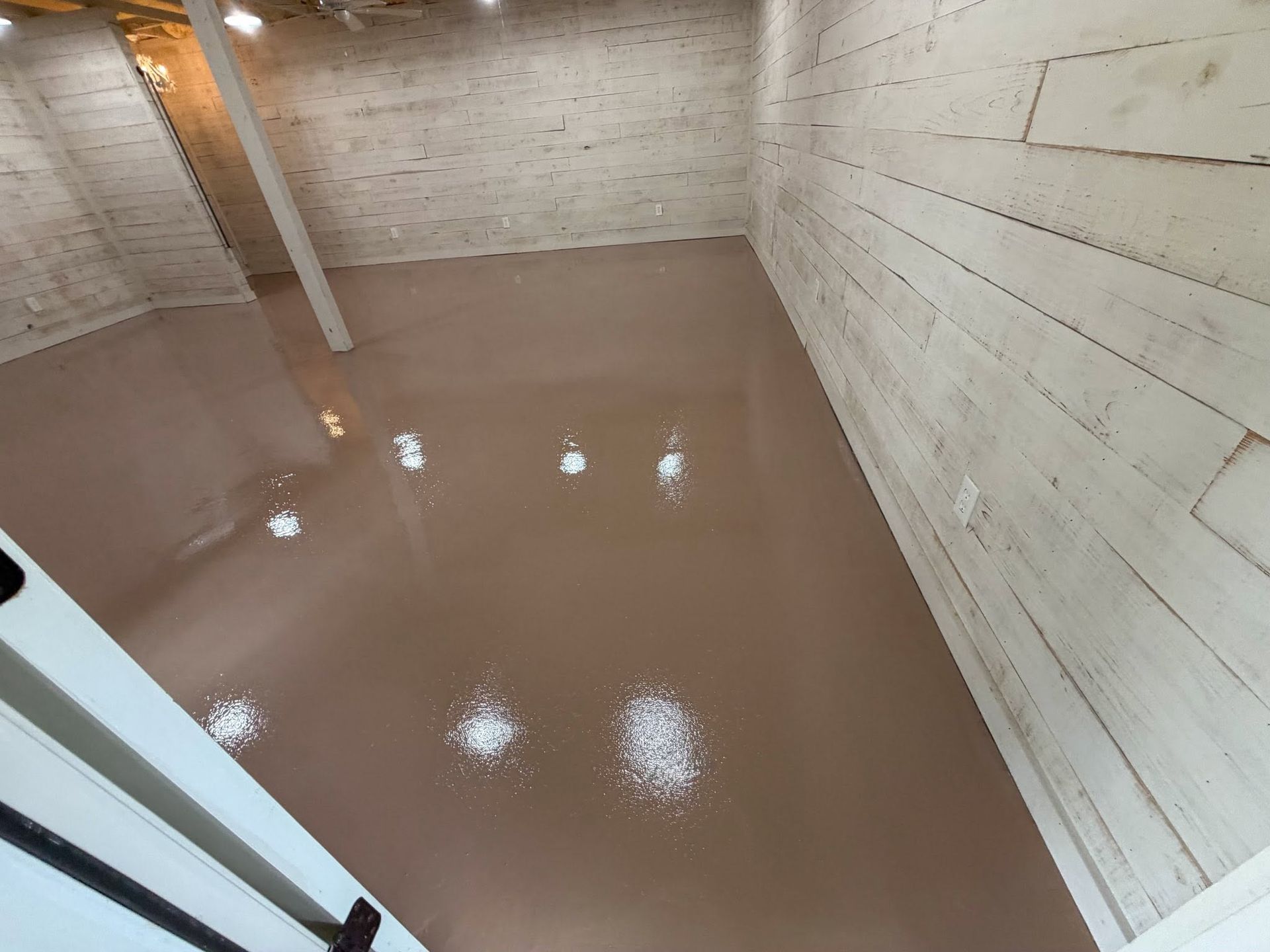
Once cured, the overlay produces a uniform surface free of the stains, pitting, and spalling that made the original concrete unsightly—you'll notice consistent color and texture across areas that previously showed decades of wear. Textured overlays can replicate stone, tile, or wood grain patterns for decorative applications, while smooth overlays provide a clean base for subsequent coatings or stains.
Texas climate affects overlay performance through thermal expansion and moisture cycling—summer heat causes concrete to expand, and winter cooling causes contraction, so overlay materials must flex slightly to avoid cracking at the bond line. Polymer modification provides this flexibility while maintaining hardness needed for abrasion resistance..
Questions Before Starting Your Project
Commercial property managers and homeowners in College Station and Iola typically ask about overlay durability and how it compares cost-wise to concrete replacement.
What makes a concrete slab suitable for overlay instead of requiring replacement?
Concrete with surface damage but no active structural movement, widespread deep cracking, or base failure can be overlaid—minor surface cracks, spalling, and staining are ideal candidates, while slabs that continue settling or have large voids underneath need replacement to address the root problem.
How thick are concrete overlays and do they raise the floor level noticeably?
Overlays typically range from one-eighth inch to half an inch depending on substrate condition and desired finish—this minimal thickness means door clearances and transitions to adjacent flooring usually remain functional, though exterior overlays may require adjusting door sweeps or thresholds.
Why do some overlays crack shortly after installation while others last years?
Overlay failure usually traces to inadequate surface preparation or applying overlay to actively moving substrates—if the bond fails due to contamination or the base slab continues cracking, the overlay will telegraph those failures, which is why assessment must determine whether movement has stopped before installation.
When is overlay more cost-effective than full concrete replacement?
Overlays cost significantly less per square foot than demolition and repour when the existing slab has adequate structural integrity—you save on removal, disposal, base preparation, and forming costs, paying only for surface prep and overlay material rather than rebuilding from the ground up.
How long does a polymer-modified overlay typically last on a driveway or patio?
With proper installation on a stable substrate, overlays last 10 to 15 years in residential applications before surface wear requires recoating—commercial floors with heavier traffic may show wear sooner, but the overlay can be reapplied without removing the existing layer if bond remains intact.
Cornerstone Coatings LLC evaluates substrate condition during assessment to confirm overlay suitability and discusses finish options based on your intended use and aesthetic goals. Schedule a consultation to review your concrete's condition and determine whether overlay or replacement provides better long-term value for your property.